News
AGC at the 81st United Nations General Assembly
30 September 2026
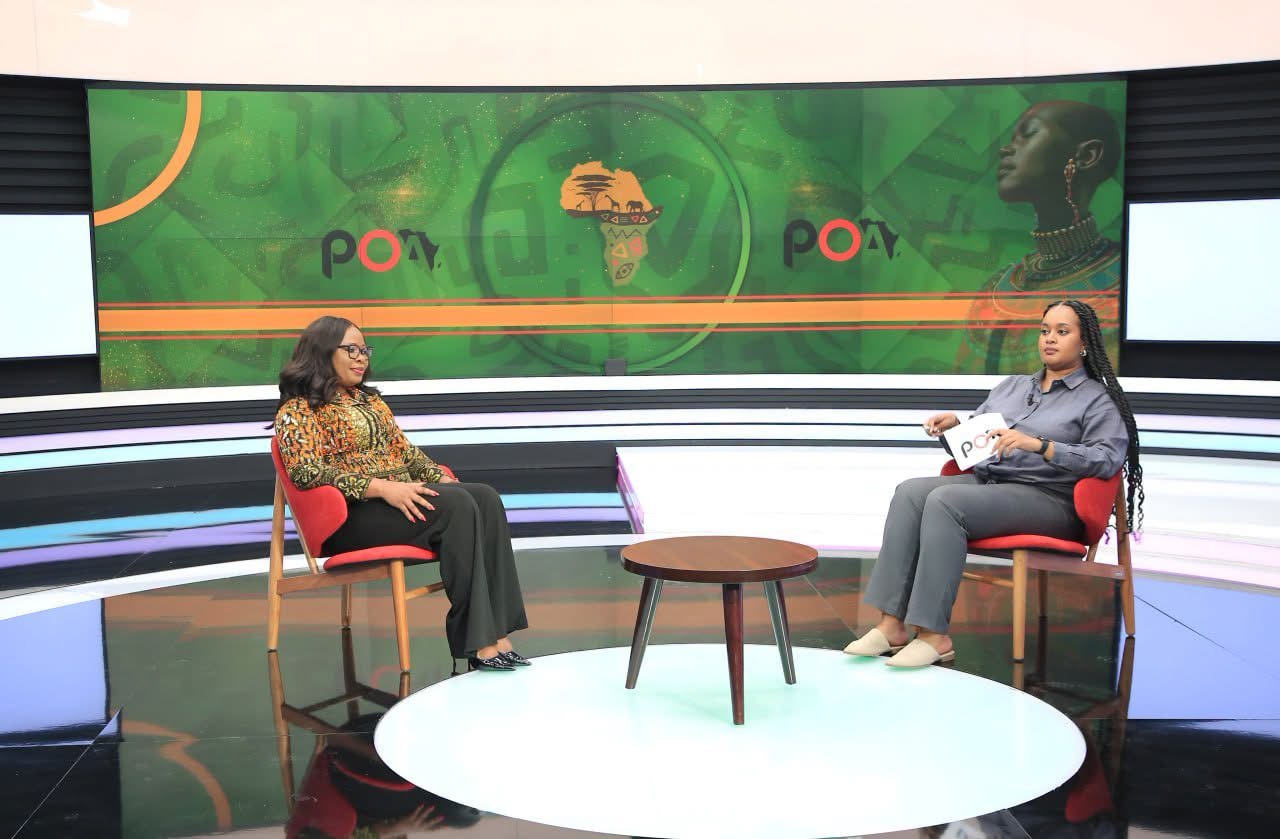
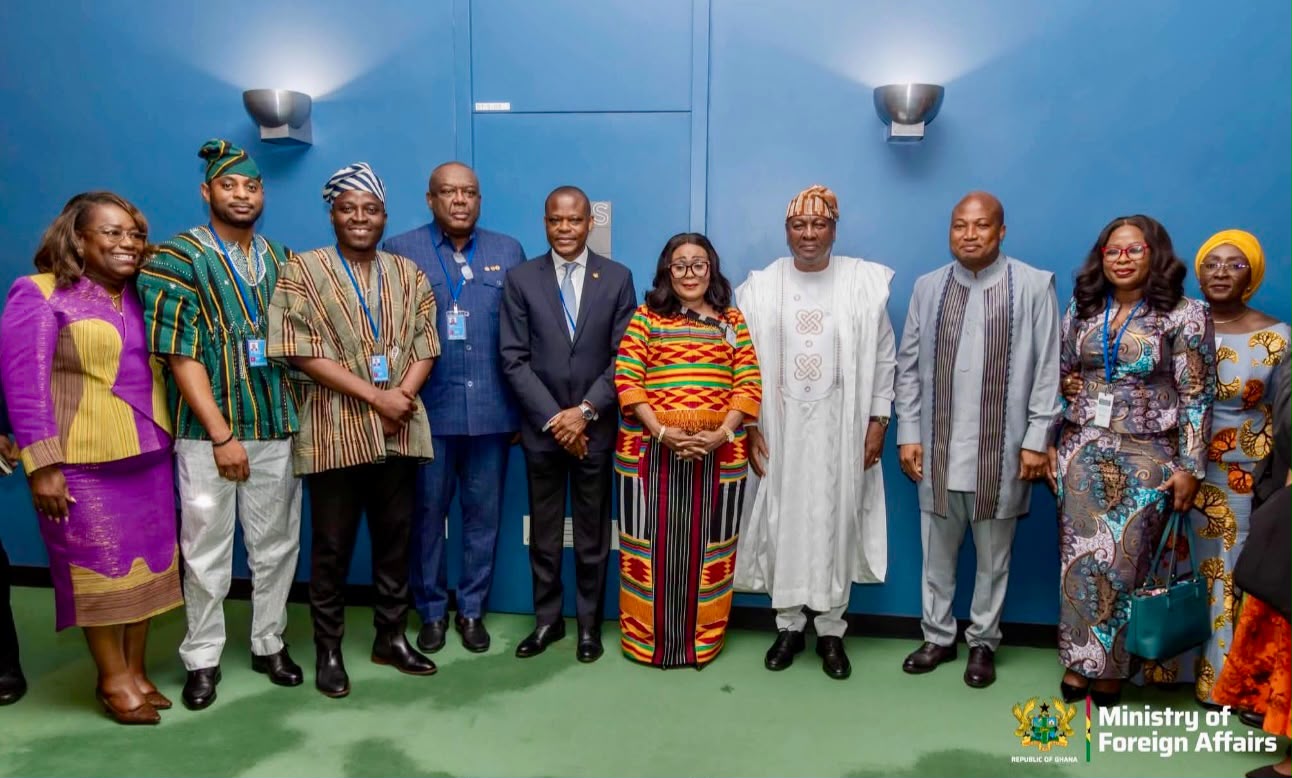
The Africa Governance Centre (AGC) was represented at the 81st United Nations General Assembly in New York by its Executive Chair, Ms. Benedicta Lasi, who joined global leaders and policymakers in discussions on the challenges, priorities and choices shaping the international landscap
Her participation provided an opportunity to engage with conversations of global significance while reflecting on their implications for Africa’s development, governance and economic transformation.
For decades, Africa’s development discourse has centred on the continent’s considerable potential. Its natural resources, youthful population, expanding markets and strategic position in the global economy. Yet an increasingly important question is how effectively these advantages are being translated into stronger institutions, productive economies, quality jobs and improved outcomes for citizens.
This question is particularly relevant at a time when African countries are navigating complex pressures around governance, state capacity, economic transformation, trade and employment. The ability of governments and institutions to make and sustain difficult policy choices beyond political cycles remains central to whether the continent can convert its considerable resources and demographic advantages into lasting development.
These issues sit at the intersection of AGC’s work. The Centre’s engagement on governance and political institutions increasingly recognises that questions of state capacity, economic development, trade, industrialisation and youth opportunity are closely connected. Stronger governance is not only about the functioning of political institutions; it is also about the capacity of states to create the conditions in which economies can grow, businesses can develop and citizens can participate meaningfully in their countries’ development.
Ms. Lasi’s participation in the General Assembly therefore provided an important platform to bring African perspectives into wider international conversations while engaging with the priorities and experiences of countries beyond the continent.
The discussions also reinforce a broader question for Africa’s next development chapter: how can the continent move beyond the language of potential towards building the institutions, economies and systems capable of delivering on that potential?
For AGC, this remains central to its commitment to advancing evidence-based policy engagement, strengthening governance and supporting conversations that contribute to more accountable, capable and inclusive African institutions.
As global attention continues to focus on Africa’s opportunities and challenges, the question is increasingly not what Africa could become, but what African countries and institutions are prepared to build and how effectively they can sustain those choices over time.