News
Political Parties Must Lead Africa’s Democratic and Economic Future, Says AU Commission Chair
16 November 2026
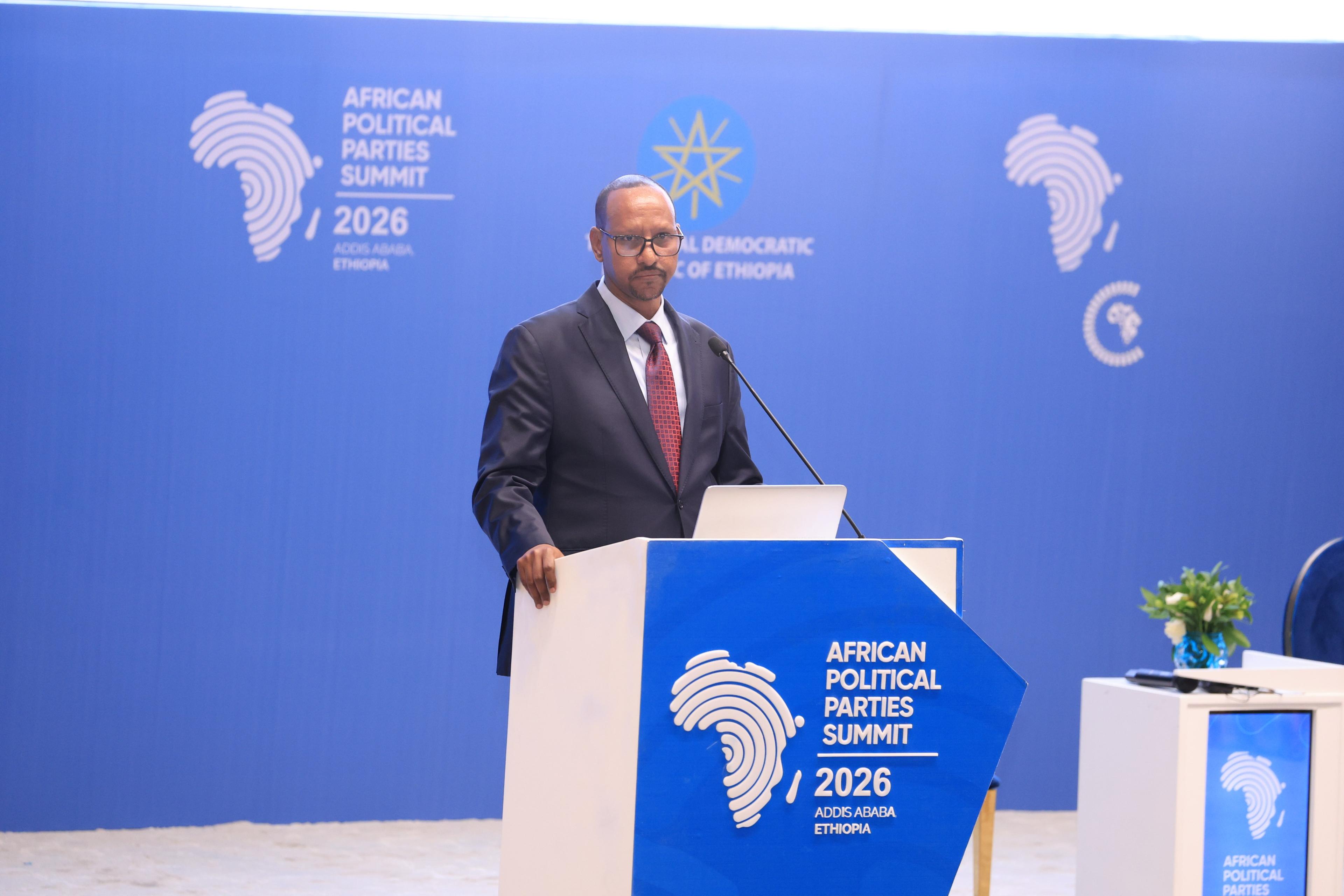
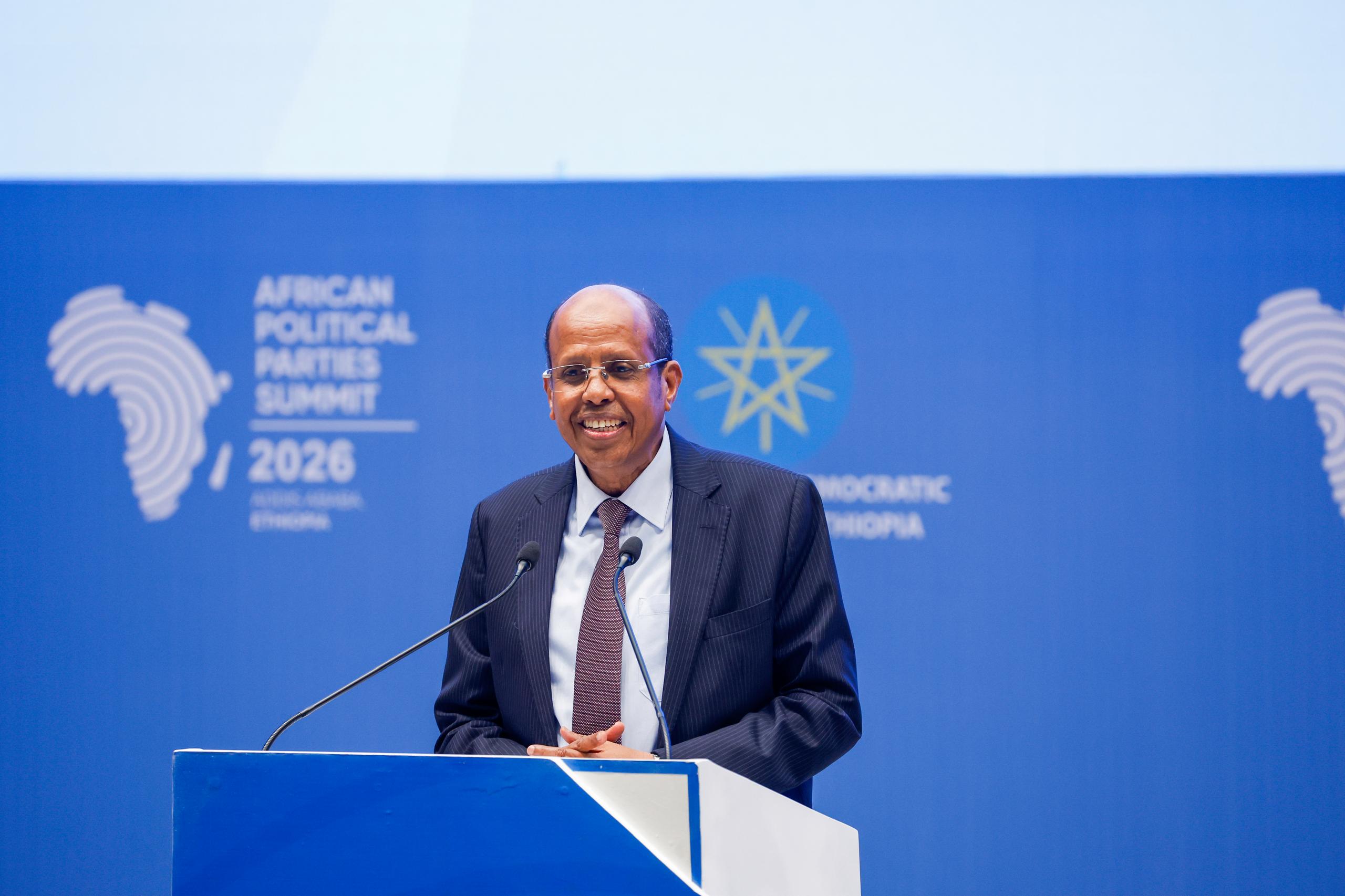
Opening the 2nd African Political Parties Summit in Addis Ababa, African Union Commission Chairperson H.E. Mahmoud Ali Youssouf told political leaders that the quality of political leadership directly shapes Africa’s future. He said decisions taken within parties help determine whose voices are heard, which priorities guide public policy, and how far citizens can hold those they have entrusted with power to account. Addressing party leaders and representatives gathered under the theme of political parties as architects of Africa’s economic future, the Chairperson noted that Africans expect their political institutions to deliver peace, dignity and opportunity. They also expect responsible management of public resources, public services that work, and economic growth that improves daily life. He thanked the Government and people of Ethiopia for their hospitality.
The Chairperson reminded delegates that the African Union’s Agenda 2063 places democratic governance, peace and people-centred development at the centre of the continent’s ambition, and that parties play an essential role in realising it. They shape the choices offered to citizens, develop policy, prepare future leaders and link citizens to institutions. Governing parties are responsible for exercising public authority, while opposition parties scrutinise government action, offer alternatives and represent the diversity of interests in society. Both, he stressed, are indispensable to a vibrant democracy.
He drew attention to the African Charter on Democracy, Elections and Governance, which expressly recognises political pluralism and the rights and responsibilities of legally constituted parties, including those in opposition. He urged States Parties to domesticate its provisions, honour their commitments and meet their reporting obligations, noting that parties and parliamentarians can advance this work within national institutions.
Constitutional governance, the Chairperson said, demands constant commitment. The credibility of elections, respect for fundamental freedoms, the independence of institutions and the peaceful conduct of political competition must be safeguarded throughout the electoral cycle, and dialogue must remain an open path when disagreements arise. Political leaders also carry a duty to prevent violence. Parties should reject incitement, discourage intimidation and ensure that competition strengthens national cohesion.
Democratic credibility, he argued, starts within political organisations themselves. Parties build public trust when their procedures are transparent, members can participate meaningfully, and leaders are accountable. This includes openness in political financing, where the African Union Convention on Preventing and Combating Corruption sets out clear commitments that help protect public decisions from undue influence.
The Chairperson also called for sustained action to widen access to leadership. Marking the 20th anniversary of the African Youth Charter this year, he said young Africans must have real opportunities to shape party agendas, stand for office, and take part in decision-making. The Maputo Protocol, he added, provides a firm foundation for women’s equal participation in political life, and parties can put it into effect through fair candidate selection, access to resources, and measures that remove barriers to leadership. He asked that the women’s and youth forums held alongside the Summit help shape its outcomes, and that their recommendations translate into changes in internal party rules, access to leadership, candidate selection and economic policy.
He said the same principle extends to local governance. The African Charter on the Values and Principles of Decentralisation, Local Governance and Local Development places participation, accountability and responsive institutions at the heart of development, and citizens should be able to influence decisions affecting their communities and assess the performance of their representatives.
Turning to the Summit theme, the Chairperson said Africa’s economic future depends on institutions that can sustain sound policies over time, create opportunities, and manage resources in the public interest. Beyond legitimate political differences, he said, lasting consensus is possible on education, employment, infrastructure, regional integration and the effective implementation of the African Continental Free Trade Area. Open debate and citizen oversight strengthen such cooperation, and parliaments, including the Pan-African Parliament, can turn continental aspirations into legislation and stronger accountability.
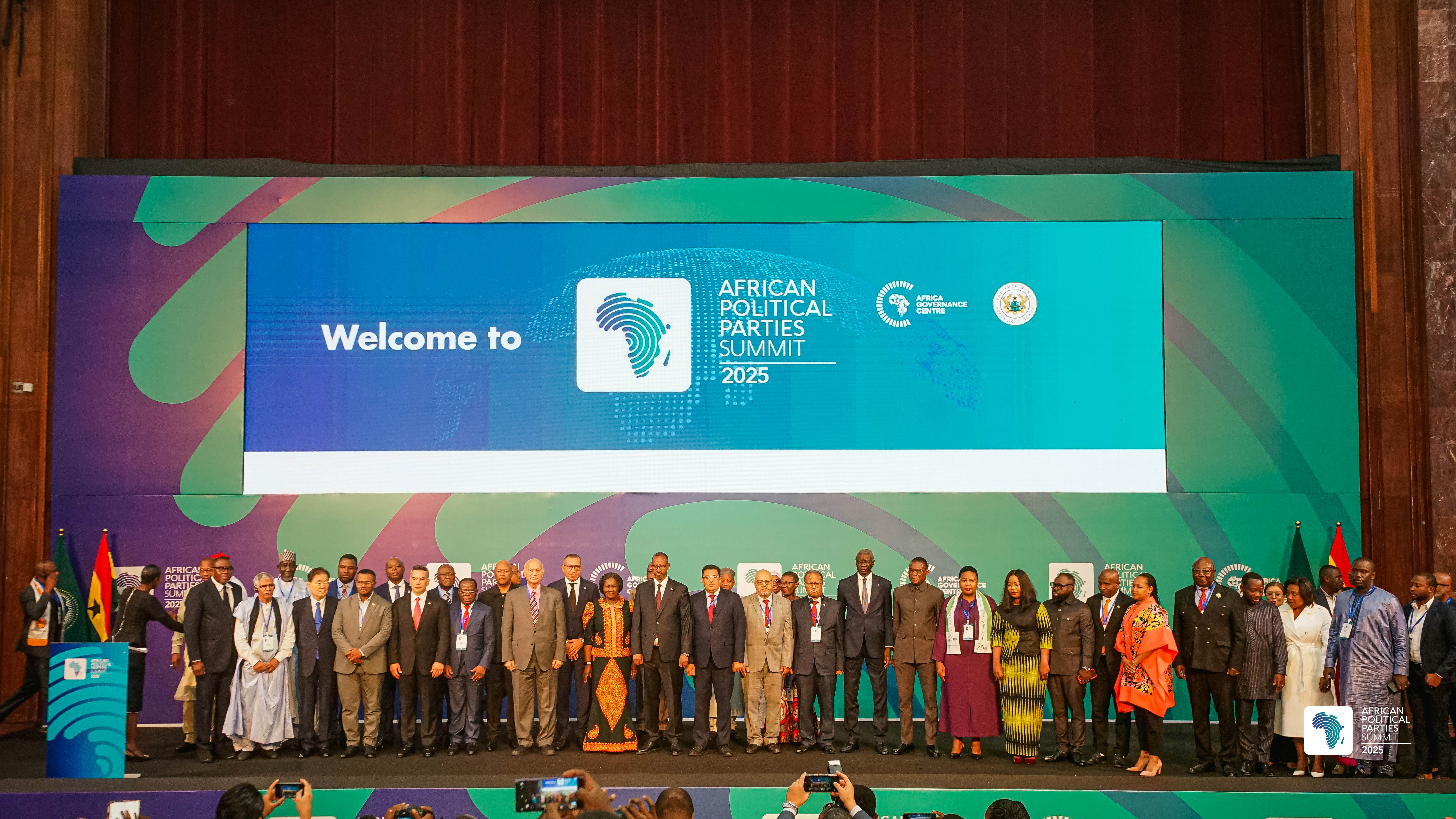
He encouraged the Summit to build on the commitments made in Accra with concrete measures, clearly defined responsibilities, and sustained follow-up, and reaffirmed the African Union’s resolve to advance democratic governance, peace, and inclusive development across the continent.