News
Prosperity Party Calls for Institutions That Turn Africa’s Potential into Productive Capability
17 November 2026
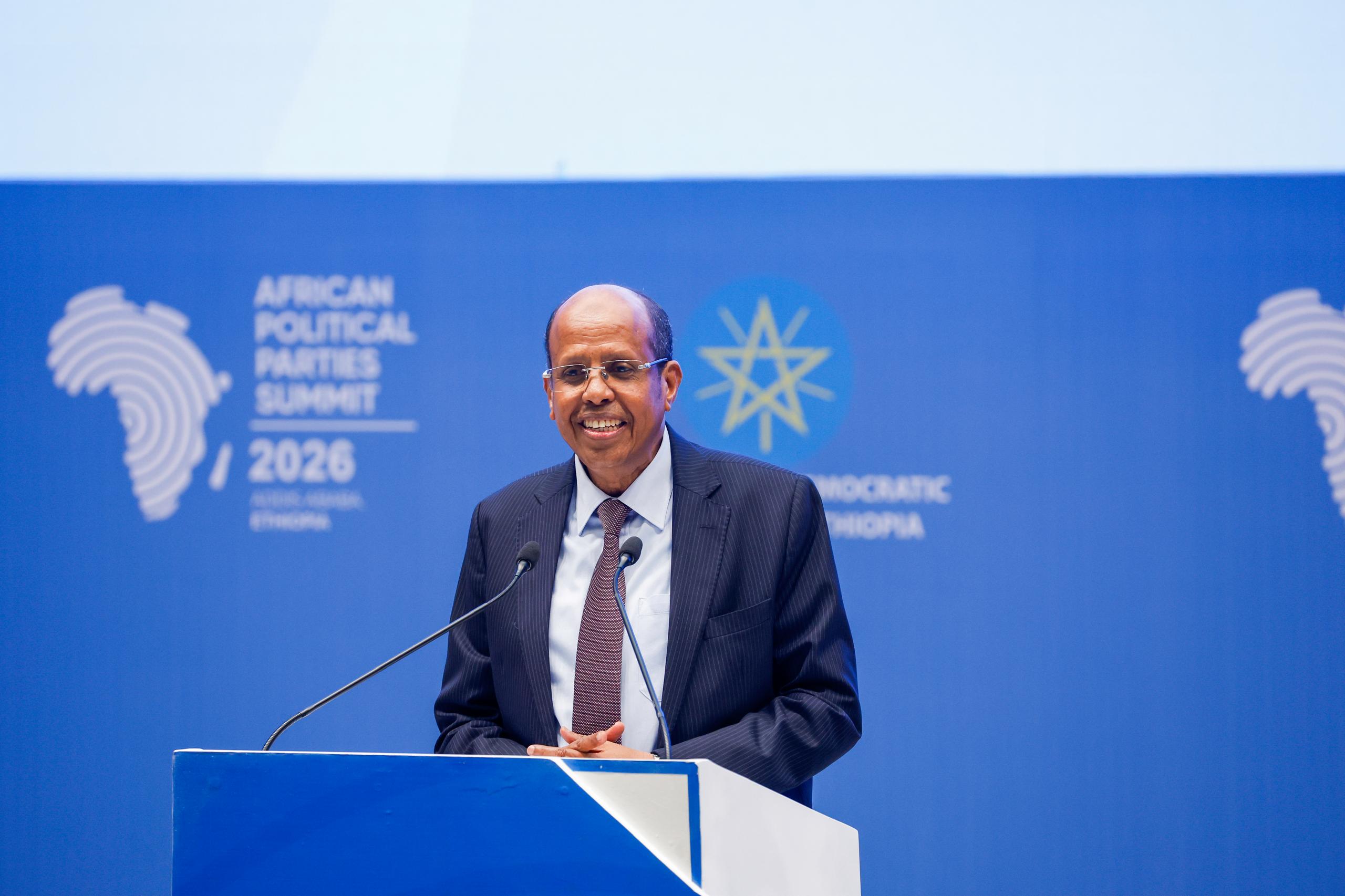
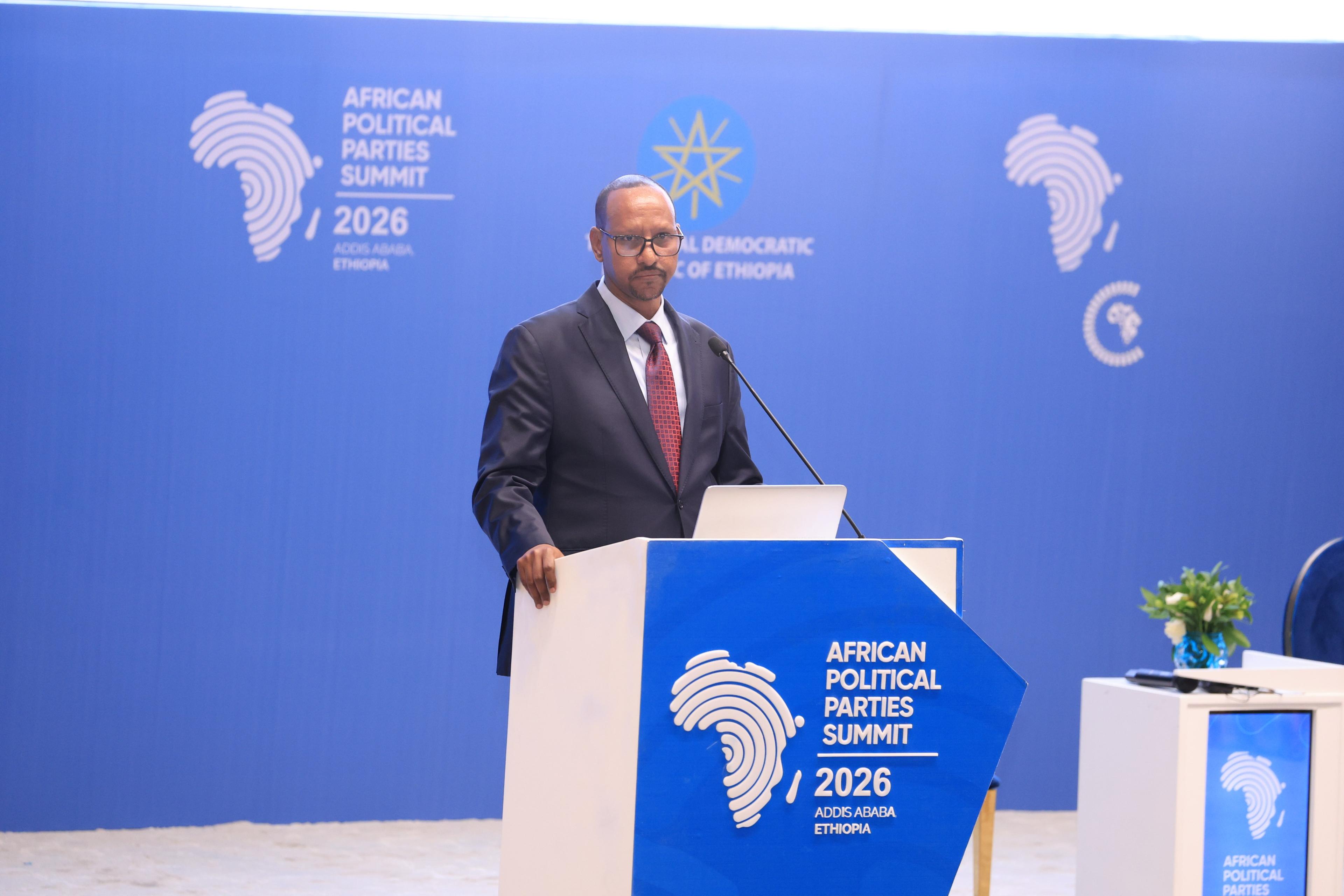
Welcoming delegates to the 2026 African Political Parties Summit, H.E. Adem Fareh, Deputy Prime Minister of Ethiopia and Head of the Prosperity Party Headquarters, said the presence of political leaders from across the continent affirms a shared responsibility to turn Africa’s immense potential into dignity, democratic opportunity and enduring prosperity. The 2026 African Political Parties Summit was held at the Adwa Victory Memorial Centre, a site that honours a defining achievement in Africa’s struggle for independence. Recalling that in 1896 Ethiopians united across their differences to defeat colonial conquest, the Deputy Prime Minister said Adwa demonstrated what collective purpose can accomplish. He told the present generation that the solidarity that once defended sovereignty must now translate into the productive capabilities and institutions that sustain it.
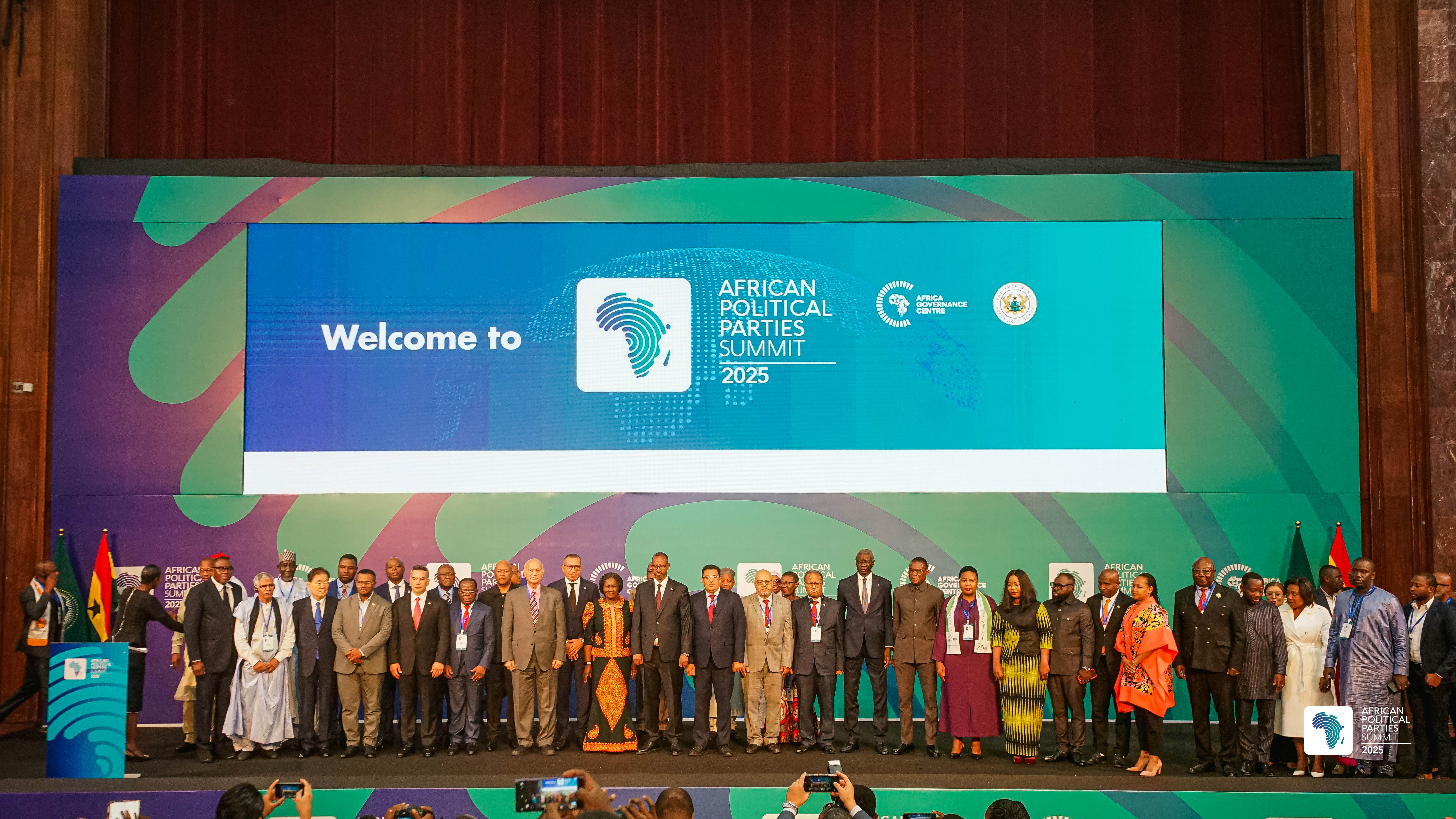
He thanked the Africa Governance Centre for collaborating with Ethiopia to organise the Summit, as well as the participating political parties, the African Union Commission, partners, and all who contributed to its success. He also expressed gratitude to Ghana for hosting the inaugural Summit. Reflecting on the Summit theme, “Governing for Growth: Political Parties as Architects of Africa’s Economic Future”, he said it places political responsibility at the centre of development. Transformation, he noted, requires parties that develop ideas, prepare leaders, reconcile interests and sustain implementation beyond electoral cycles, because a political mandate carries an obligation to improve people’s lives.
Setting out his party’s approach, he explained that the Prosperity Party draws on Medemer, an indigenous philosophy developed by its Prime Minister H.E. Dr. Abiy Ahmed Ali. Medemer brings people, institutions, capabilities and accumulated achievements together around a shared purpose: overcoming fragmentation, correcting historical failures and building holistic prosperity across generations. The party pursues a sovereign, united and productive Ethiopia that guarantees human dignity, security, economic opportunity and social wellbeing while advancing civilisational renewal. Its formation brought separate political organisations into a common national institution, seeking to overcome disparate political participation and unite diverse communities through shared citizenship. Today, he said, more than 16.9 million members and nationwide structures connect that vision with communities across Ethiopia.
He stressed that organisational reach must translate into institutional quality. The party invests in continuous capacity building for its leaders and members, cultivates a shared national narrative grounded in fraternity, balanced relationships, principled pragmatism, human dignity, and unity in diversity, and strengthens disciplined internal governance systems. Regular performance evaluation, he said, rewards competence and integrity, identifies weaknesses and enforces accountability.
For the Prosperity Party, governing for growth begins with building confidence that citizens’ effort, private-sector dynamism, and innovation can shape the national future. Parties help build that confidence when they offer credible choices and connect long-term priorities with people’s everyday concerns. Africa’s economic future, he said, depends on turning national potential into productive capability, which means providing clear direction, mobilising investment, developing skills, and strengthening institutions that sustain progress across generations.
Such transformation, he argued, requires a political culture that balances competition with cooperation and ambition with accountability. He pointed to the Ethiopian Political Parties Joint Council and other ongoing dialogue platforms through which the party engages fellow parties on peace, development and democracy. He noted that more than 275 leaders from competing parties have been entrusted with public responsibilities at various levels. Such cooperation, he cautioned, must respect lawful institutional mandates, preserve distinct political identities, and protect meaningful competition, with the common goal of strengthening a country where parties can offer different programmes while safeguarding peace, national interest, equal citizenship, and accountable government.
He closed by urging the Summit to be a forum for candid dialogue and mutual learning, enriched by the perspectives of women, young people, scholars and all sectors of society, so that its exchanges yield practical lessons each party can adapt to its national circumstances. Invoking the spirit of Medemer, he expressed the hope that African solidarity would become productive cooperation, democratic leadership would e